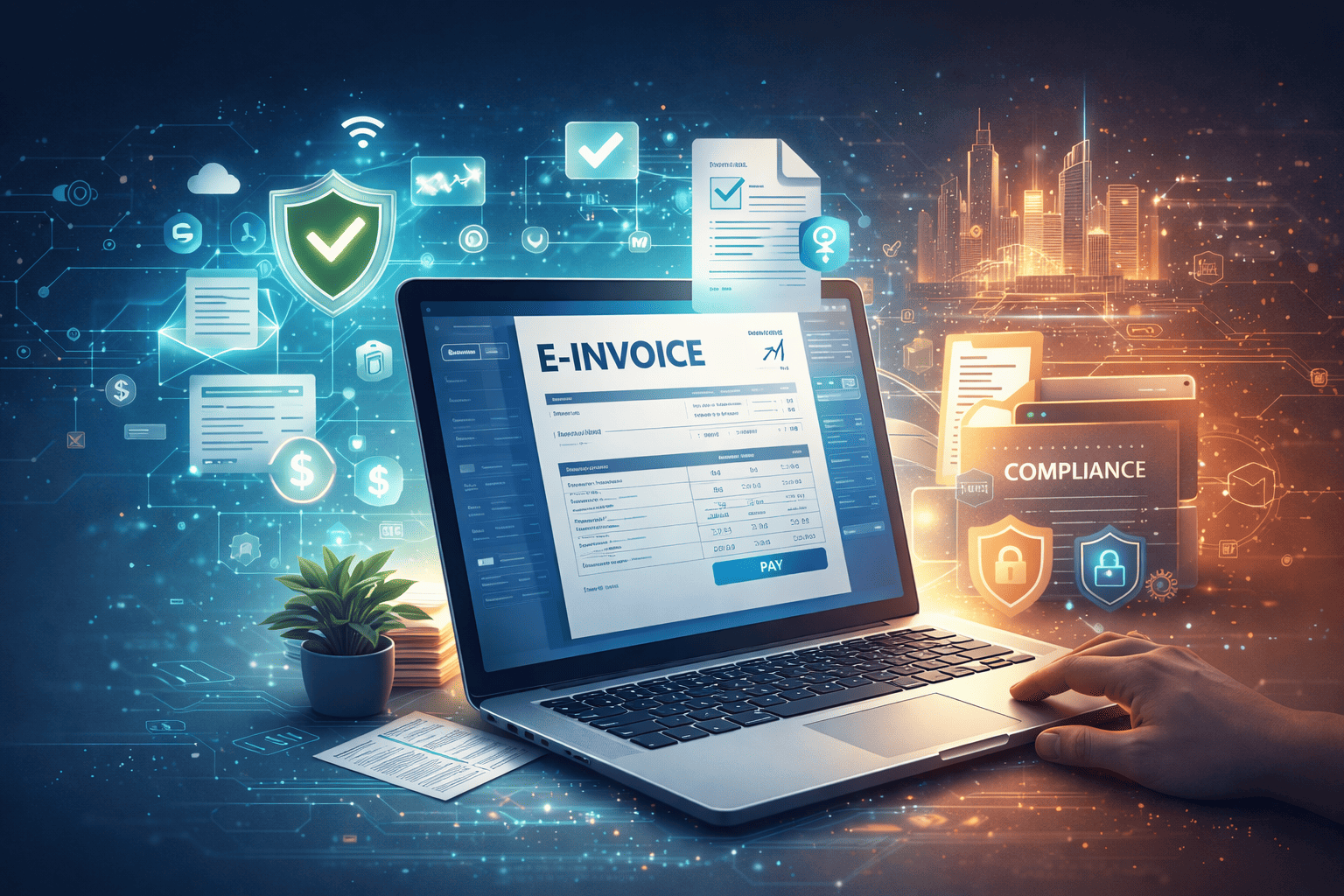
A payment receipt is arguably one of the most overlooked yet vital documents in commerce. Whether you’re buying a coffee or closing a multi-million dollar business deal, the receipt serves as the indisputable proof that a financial transaction occurred. Often confused with an invoice (which is a request for payment), a receipt confirms that funds have been successfully transferred from the buyer to the seller, extinguishing the buyer’s debt obligation for that specific transaction. Essentially, it is a documentary acknowledgment that payment has been received in exchange for goods or services delivered.
The Legal and Financial Importance of Receipts
For both businesses and consumers, the payment receipt is a cornerstone of financial integrity and legal protection. For the consumer, it is the primary evidence required for returns, exchanges, or warranty claims. Without a receipt, proving the purchase date, price paid, or even the place of transaction becomes incredibly difficult, often leaving the buyer without recourse if the product is faulty or incorrect.
For businesses, receipts are indispensable for meticulous record-keeping. They form the basis of accurate bookkeeping, helping to track sales revenue and manage inventory. Crucially, receipts are mandatory documentation for tax purposes. They prove income generated (for sales receipts) and expenses incurred (for purchase receipts), ensuring compliance during audits and allowing the business to claim legitimate deductions. Proper receipt management protects a company against fraud and provides a verifiable audit trail for every single sale.
Essential Components of a Valid Payment Receipt
To be considered a legally sound and binding document, a payment receipt must contain several critical pieces of information. The absence of these details can render the document less effective in financial disputes or audits. While formatting can vary widely (from thermal paper slips to digital PDFs), the core data elements remain constant:
-
Business Identity: Name, address, and contact information of the seller.
-
Transaction Date and Time: Precise moment the payment was made.
-
Line Items: A detailed list of the goods or services purchased, including unit prices and quantities.
-
Subtotal and Tax Breakdown: Separation of the base price from sales tax, VAT, or other levies.
-
Total Amount Paid: The final figure remitted by the buyer.
-
Method of Payment: Indicating how the payment was processed (e.g., Cash, Credit Card type, Digital Wallet).
-
Unique Receipt/Transaction Number: A reference number that links the receipt back to the business’s accounting records.
The Shift to Digital Receipts
The traditional paper receipt is increasingly being supplemented or replaced by digital receipts, delivered via email or mobile applications. This transition offers significant environmental benefits and practical advantages. Digital receipts are easier for consumers to store, organize, and search, eliminating the risk of physical loss or fading ink. For businesses, digital receipts reduce operating costs and provide richer data insights into customer behavior. Regardless of the medium—physical or digital—its function as undeniable proof of payment remains identical, upholding the integrity of the transaction process in the modern age.
In conclusion, the payment receipt is more than just a slip of paper; it is a fundamental financial and legal record. Understanding its importance and ensuring its proper retention is essential for robust personal finance and sound business operations.