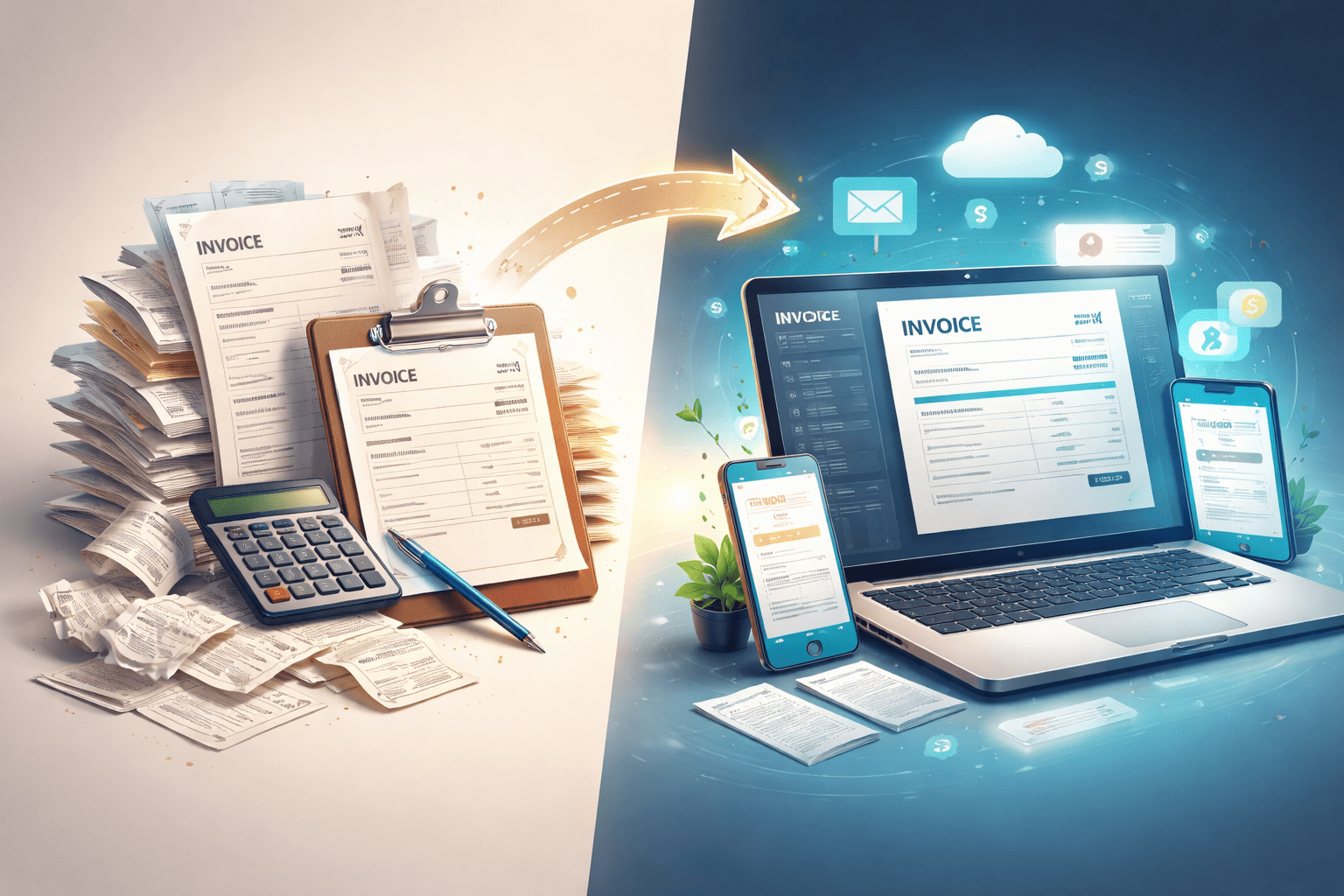
The Shift to Integrated Invoicing Systems
In today’s fast-paced commercial landscape, efficiency is not a luxury—it is a necessity. Many businesses still rely on disjointed, manual processes for billing, leading to significant delays, data entry errors, and a strained relationship between sales, operations, and finance teams. The solution lies in adopting Integrated Invoicing Systems, which seamlessly merge invoicing functions with broader business applications like ERP, CRM, and inventory management. This integration fundamentally reshapes how businesses manage their accounts receivable, transforming a painful necessity into a strategic advantage.
Eliminating Data Silos and Reducing Errors
One of the primary benefits of fully integrated invoicing is the eradication of data silos. When sales orders or project completion data are automatically pulled into the invoicing module, the need for manual data transfer disappears. This automation minimizes the costly risk of human error associated with double-entry. If an integrated system registers an item shipped in the inventory module, the corresponding invoice is generated instantly and accurately, referencing the correct pricing and client information stored in the CRM. For high-volume businesses, this means fewer disputes, faster processing times, and significantly improved operational accuracy.
Accelerating the Cash Conversion Cycle
Cash flow is the lifeblood of any organization, and slow invoicing directly impedes liquidity. Integrated Invoicing Systems are pivotal in accelerating the cash conversion cycle. By automating the entire process—from order fulfillment to invoice generation and delivery—businesses can drastically reduce the time between service delivery and payment request. Furthermore, these integrated platforms often include automated features such as payment reminders, discount application for early payments, and immediate reconciliation once payment is received. This capability ensures that capital is available sooner for reinvestment and growth.
Enhanced Compliance and Real-Time Financial Visibility
Compliance with tax regulations and accounting standards is non-negotiable. Manual systems make auditing difficult and compliance risky. Integrated solutions, however, provide comprehensive audit trails and centralized documentation. Because the invoicing module communicates directly with the General Ledger, finance teams gain access to real-time financial reporting and deeper analytics. This instantaneous visibility allows decision- makers to understand profitability metrics, identify slow-paying customers, and forecast cash needs with greater precision than ever before.
Choosing the Right Solution for Business Operations
When selecting an integrated invoicing solution, businesses must look beyond basic functionality. Prioritize systems that offer robust scalability, seamless API connectivity to existing operational software, and advanced security features. A well-chosen integrated system not only automates billing but strategically improves overall business operations, making the finance department a key driver of efficiency and profitability.