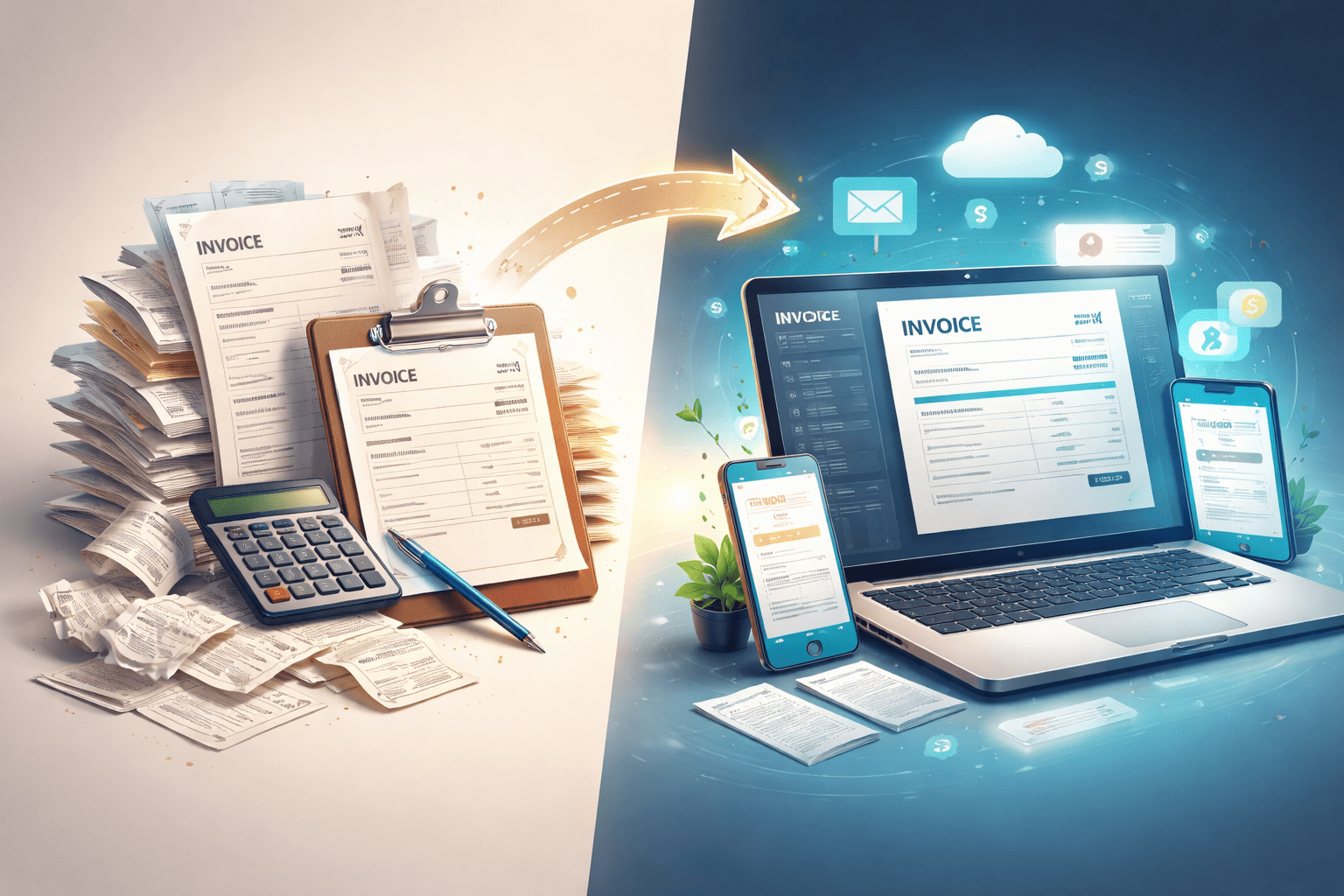
The Digital Revolution of Finance
In the rapidly evolving landscape of corporate finance, manual processes are quickly becoming obsolete. Automated invoicing systems represent one of the most significant advancements in modern accounting, transforming tedious, error-prone tasks into streamlined, efficient workflows. For businesses aiming for scalability and robustness, understanding and implementing automated invoicing is not just an option—it is a necessity for maintaining a competitive edge.
Boosting Efficiency and Accuracy
The primary appeal of automated invoicing lies in its ability to dramatically increase operational efficiency. Traditional invoicing involves manual data entry, physical printing, mailing, and lengthy reconciliation processes, all of which consume valuable staff time. Automated systems leverage pre-set templates, real-time data feeds from sales records, and scheduled distribution, allowing finance teams to shift their focus from clerical work to strategic analysis.
Crucially, automation virtually eliminates human error. Calculations are precise, and the system ensures compliance checks are performed before dispatch. This reduction in errors minimizes disputes, accelerates the acceptance of invoices by clients, and significantly speeds up the entire revenue cycle. Studies show that businesses utilizing automated invoicing systems can cut processing costs by up to 70%.
Seamless Integration with ERP and CRM
Modern accounting demands interconnected systems. High-quality automated invoicing software is designed to integrate seamlessly with Enterprise Resource Planning (ERP) systems and Customer Relationship Management (CRM) tools. This integration means that invoicing is no longer a siloed activity; it is linked directly to inventory, project management, and customer history.
When an invoice is generated automatically upon project completion or shipment, the transaction is immediately reflected across all relevant ledgers. This real-time data visibility is critical for accurate financial reporting, forecasting, and ensuring compliance with international accounting standards.
Enhancing Cash Flow Management
Delayed payments are a leading cause of cash flow instability for many businesses. Automated invoicing directly addresses this challenge by ensuring prompt delivery and providing tools for proactive follow-up. Features such as automated payment reminders, late payment fee calculation, and integrated payment gateways drastically reduce Days Sales Outstanding (DSO).
Furthermore, digital tracking provides an immutable audit trail, making it easier for finance managers to identify bottlenecks in the payment process and implement corrective actions, thereby optimizing working capital management.
The Future is Smart: AI and Machine Learning
The role of automated invoicing continues to expand, driven by Artificial Intelligence (AI) and Machine Learning (ML). Future systems are already capable of learning preferred client payment methods, predicting potential payment delays, and even suggesting optimized billing structures based on historical data. This evolution promises ‘smart invoicing’—a system that is predictive, preventative, and completely self-optimizing.
Conclusion
Automated invoicing is foundational to modern digital transformation in finance. It moves accounting systems beyond mere record-keeping into strategic operational tools, offering undeniable benefits in efficiency, accuracy, and cash flow stability. For any business ready to embrace the future of finance, adopting robust automated invoicing systems is the essential next step toward fiscal optimization and growth.