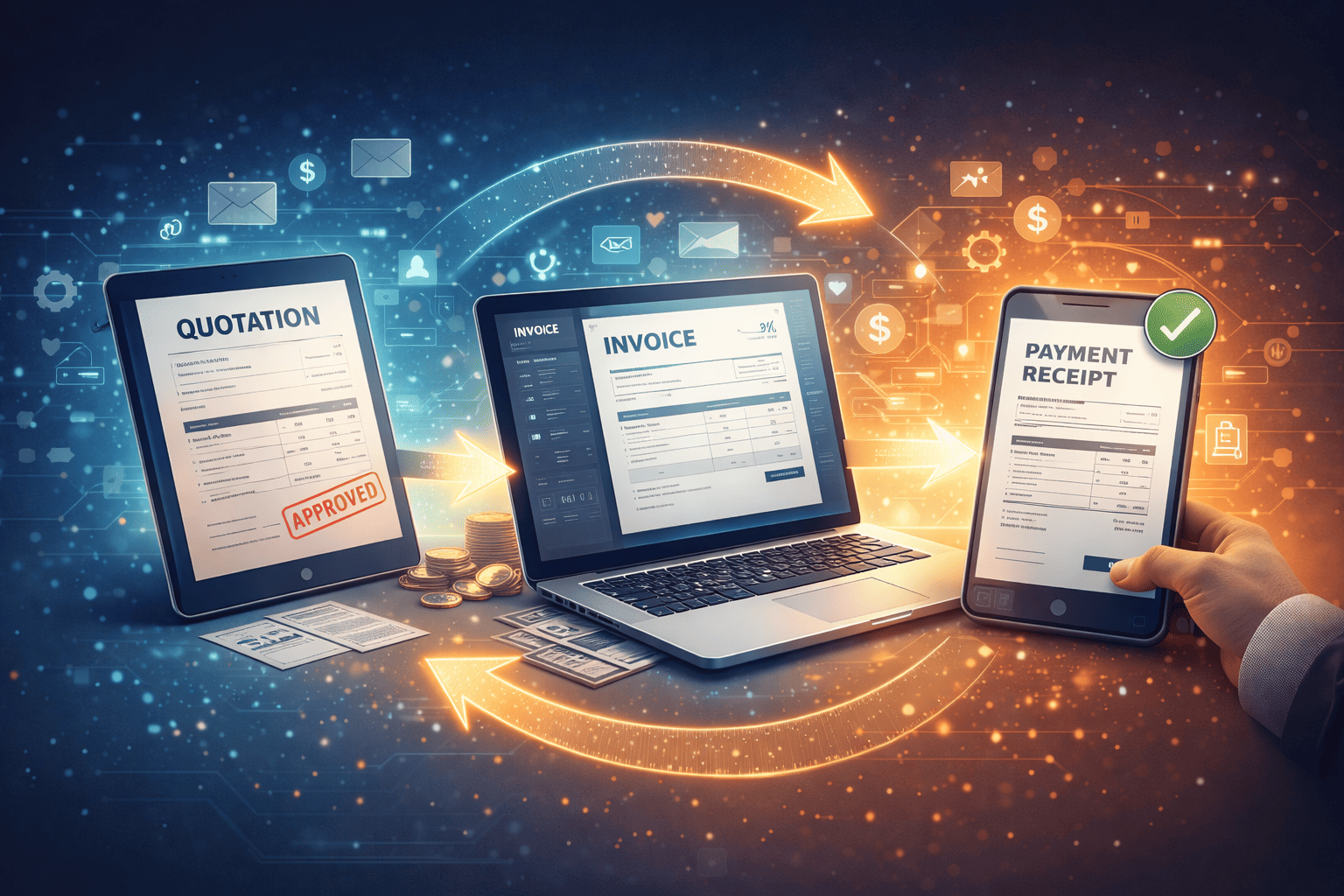
Invoicing, the fundamental transaction record underpinning all commerce, has undergone a radical transformation over the past century. For hundreds of years, the process relied heavily on cumbersome paper trails. While necessary for tracking debts and payments, manual invoicing was notorious for high operational costs, slow delivery times, and human error. Every transaction required printing, postage, manual data entry, and physical storage—a significant drag on efficiency. This antiquated system paved the way for a revolutionary shift towards digital solutions.
The Dawn of the Paper Trail
The foundational paper-based system, though reliable for its time, presented immense logistical challenges. Misplaced documents, delayed payments due to postal services, and the costly requirement for dedicated archive space made this method unsustainable in the rapidly growing global economy. The administrative friction inherent in the paper system highlighted the critical need for faster, more accurate financial communications, pushing businesses to seek electronic alternatives.
From PDFs to Structured Data: The EDI Revolution
The first major leap towards modern digital invoicing evolution came with Electronic Data Interchange (EDI) in the late 20th century. EDI allowed businesses to transfer structured data directly between disparate systems, eliminating much of the manual re-entry. However, EDI often required complex setup and costly proprietary maintenance. The subsequent introduction of simple PDF invoices, while easier to send via email, still required manual data extraction and validation on the receiving end, limiting true automation potential.
Smart Digital Invoicing and Automation Today
Today’s smart digital invoicing represents the pinnacle of this evolution. Modern e-invoicing platforms utilize standardized, machine-readable formats (such as XML or UBL) which can be instantly processed by accounting software. Cloud-based solutions integrate directly with Enterprise Resource Planning (ERP) and Customer Relationship Management (CRM) systems. Features like automated three-way matching, regulatory compliance checks, and built-in payment gateways minimize friction and errors. This shift ensures not only rapid delivery but also flawless data integrity, drastically reducing processing costs and improving the average Days Sales Outstanding (DSO).
The Future Landscape: AI and Blockchain
The future of invoicing is even smarter. Artificial intelligence (AI) is being deployed for enhanced fraud detection and predictive cash flow analysis, moving beyond simple processing to strategic financial insight. Furthermore, blockchain technology promises to create immutable, transparent ledger records for every transaction, potentially leading to truly instant, secure cross-border payments. The journey from a simple paper bill to a sophisticated, self-validating digital asset is complete, marking a new era of financial efficiency.