The Silent Killer of Small Business Growth
For small businesses, cash flow is the lifeblood. A staggering number of failures can be traced back not to a lack of sales, but to poor cash flow management. While many factors influence when you get paid, the single most controllable element is the accuracy and quality of your invoices. An inaccurate invoice is essentially a permission slip for your client to delay payment, often kicking off a lengthy, expensive dispute process that stalls your accounts receivable.
The Direct Link Between Accuracy and Payment Speed
When a customer receives an invoice containing even a minor error—such as an incorrect purchase order (PO) number, the wrong service date, or a mismatched rate—it triggers an internal review process on their end. This review immediately stops the payment clock. Accounts payable departments are trained to flag discrepancies immediately. If they have to contact you for clarification or request a revised document, you lose valuable days, potentially stretching a 30-day payment term into 45 or 60 days.
By ensuring 100% accuracy the first time, you bypass these administrative bottlenecks. A clean invoice moves directly from receipt verification to the payment queue, dramatically accelerating your accounts receivable cycle and injecting essential cash back into your business faster.
Essential Elements for Error-Free Invoicing
To optimize cash flow, treat invoicing as a critical financial operation, not a simple administrative task. Implementing a rigorous checklist helps enforce precision. Focus on including these key elements precisely on every document:
- Clear Contact Information: Ensure your company name, address, and banking details are current and prominent.
- Unique Invoice Numbering: Use sequential, easy-to-track numbers that link directly to your internal records.
- Mandatory PO/Reference Numbers: If the client requires a specific reference number (PO, Job ID), confirm it matches their internal records exactly before sending.
- Itemized Description of Services: Detail the service provided, date rendered, and agreed-upon rate. Vague descriptions invite scrutiny.
- Payment Terms and Due Date: Clearly state the terms (e.g., Net 30) and the exact calendar date the payment is due.
Leveraging Technology to Eliminate Human Error
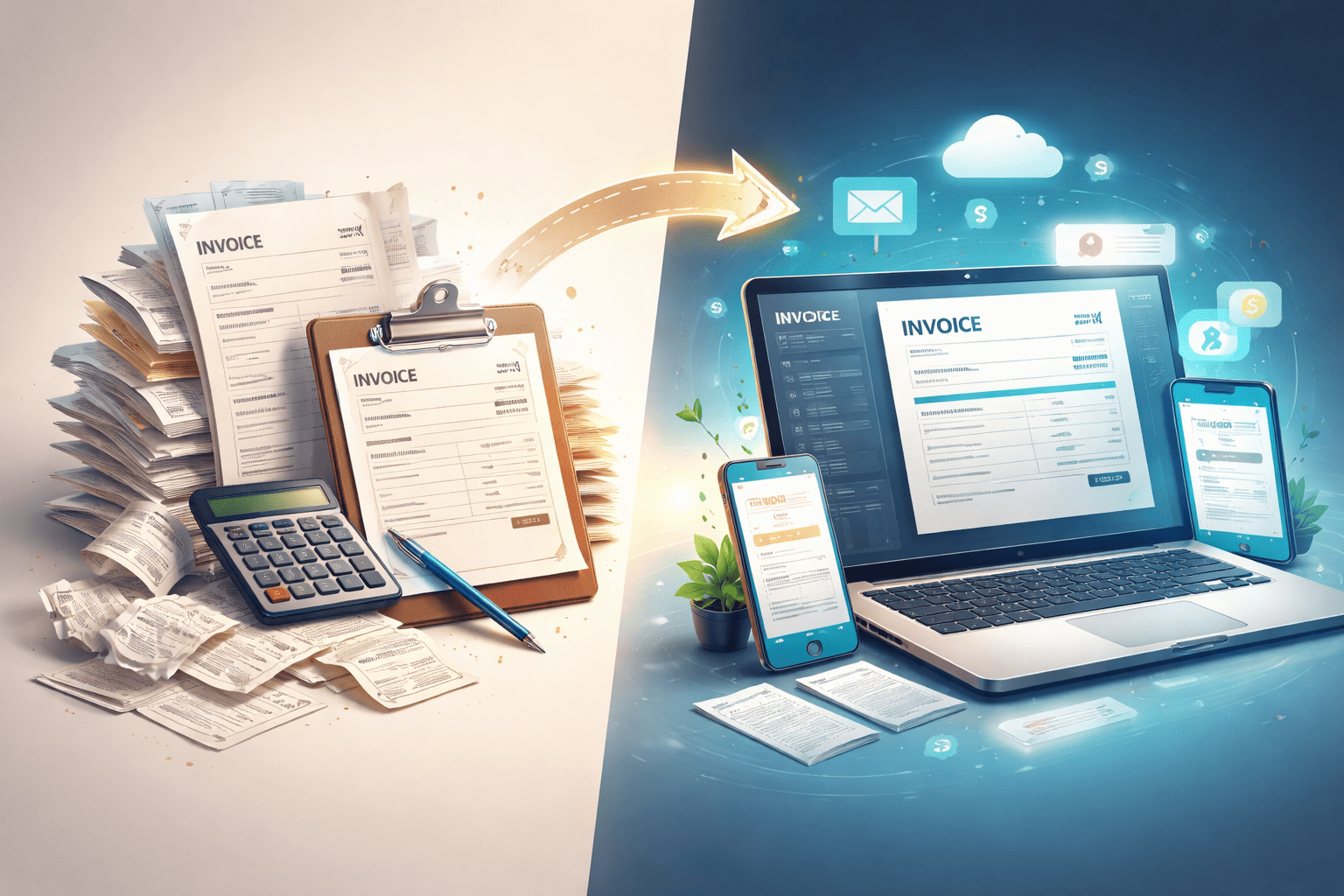
The best defense against invoicing errors is automation. Relying on manual spreadsheets significantly increases the likelihood of typos, forgotten line items, and calculation mistakes. Modern accounting and invoicing software streamlines this process by:
- Auto-populating client data and standard rates.
- Generating sequential invoice numbers automatically.
- Integrating with time-tracking systems to ensure accurate billing hours.
- Calculating taxes and totals without manual input errors.
Investing in reliable invoicing technology is an investment in your financial stability. It not only saves administrative time but ensures that every bill sent out is a professional, legally sound document designed for immediate payment.
Conclusion: The Path to Predictable Income
Accurate invoicing is more than just good business practice; it’s a proactive strategy for cash flow improvement. By minimizing disputes, adhering strictly to client requirements, and utilizing technology to enforce precision, small businesses can drastically reduce their Days Sales Outstanding (DSO), transforming unpredictable income streams into reliable working capital necessary for sustainable growth and expansion.