Introduction: The Silent Witness in Every Transaction
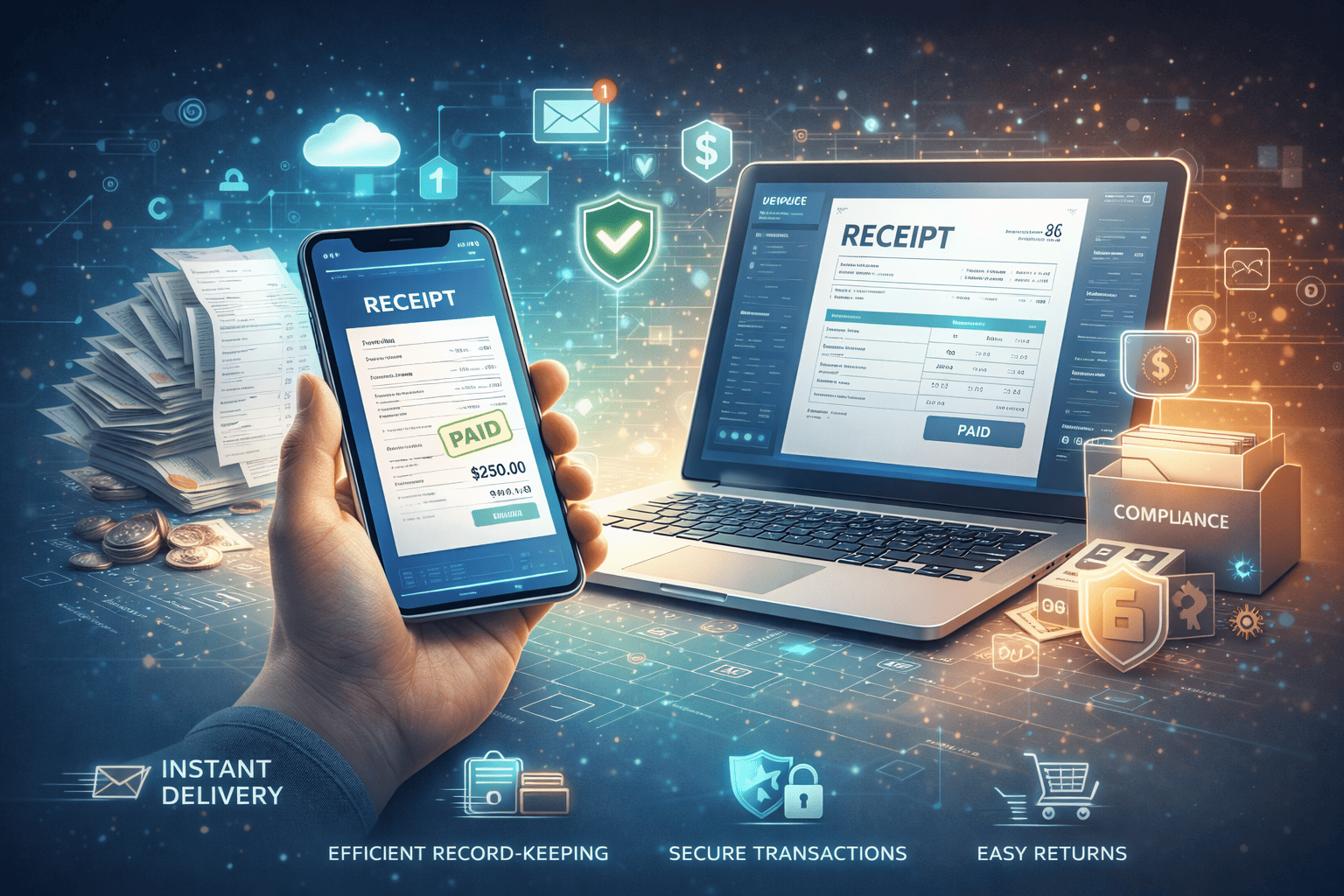
Customer disputes—ranging from simple disagreements over pricing to complex, fraudulent chargebacks—are an inevitable part of doing business. When these issues arise, quick and accurate resolution is paramount for maintaining customer trust and protecting a company’s bottom line. While advanced CRM systems and communication logs play a role, the single most critical, often overlooked piece of evidence is the humble payment receipt. Far more than a mere record of sale, the receipt acts as an irrefutable, impartial witness that can instantly clarify transaction histories and bring rapid closure to disagreements.
The Receipt as Irrefutable Proof of Purchase
The foundation of any customer dispute is usually the question: did the transaction actually occur, and what were the exact terms? A comprehensive payment receipt answers this immediately. It provides legally valid proof of purchase, confirming that funds were exchanged for specific goods or services. For the customer, it solidifies their claim of ownership or entitlement to service; for the business, it validates the funds received. In situations involving returns, warranties, or service agreements, the receipt establishes the starting point for those contractual obligations. Without this concrete evidence, disputes often devolve into a ‘he said, she said’ scenario, unnecessarily dragging out resolution times and increasing administrative costs.
Detailed Data: Speeding Up Investigations
Modern payment receipts, whether physical or digital, contain a wealth of detailed metadata essential for dispute resolution. This isn’t just the final price; it includes the date and time, the specific payment method used (card type, last four digits), the unique transaction ID, the store or location ID, and crucial itemized lists. When a customer claims they were overcharged for ‘Item X’ on a certain day, customer service agents can use the receipt’s transaction ID to cross-reference their internal logs instantly. This precision minimizes the time spent manually searching broad transaction windows, significantly speeding up the investigation process and enhancing first-call resolution rates.
Minimizing Costly Chargebacks and Fraud
Chargebacks—when a customer directly reverses a transaction through their bank—are a costly headache for merchants, incurring significant fees and potential penalties. One of the strongest defenses against unjustified chargebacks is presenting clear, timely transaction records. Providing the acquiring bank with the original payment receipt details, including authorization codes and matching card numbers (masked for security), proves that the merchant fulfilled their obligation. Furthermore, in cases of suspected friendly fraud (when a customer forgets or denies making a legitimate purchase), the detailed receipt serves as definitive evidence, often leading the card issuer to side with the merchant. Educating customers to retain their receipts, especially for high-value or future-service purchases, acts as a proactive measure against these frequent and expensive disputes.
Conclusion: Archiving is Key to Seamless Service
The transition to digital and email receipts has simplified retention for both consumers and businesses, making retrieval faster than ever. For businesses, implementing robust, searchable archiving systems is no longer optional—it is a cornerstone of effective customer relationship management and financial security. By treating every payment receipt as a critical legal document and maintaining its accessibility, businesses can resolve disputes efficiently, protect revenue, and build a reputation for transparent and reliable service.