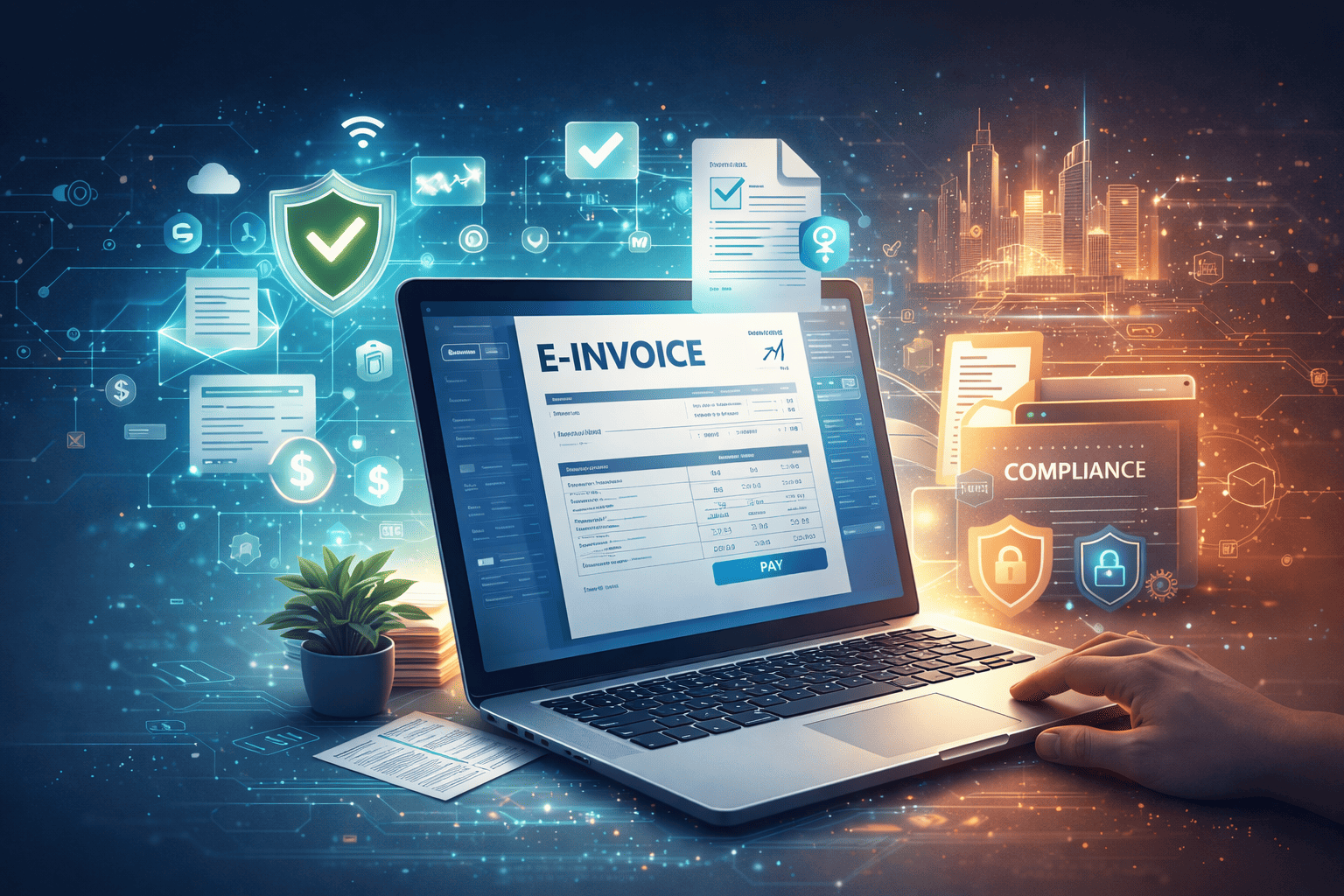
What is E-Invoicing and Why the Shift?
E-invoicing, or electronic invoicing, is the automated exchange of billing data between supplier and buyer systems in a structured digital format (such as XML or EDI). Unlike simply emailing a PDF—which still requires manual data entry—true e-invoicing ensures the invoice data is machine-readable and processed seamlessly. This paradigm shift is driven by the global need for increased operational efficiency, reduced fraud, and enhanced tax transparency, making it a cornerstone of modern digital finance.
The Core Benefits of E-Invoicing
For businesses of all sizes, adopting e-invoicing delivers immediate, quantifiable advantages. The most significant benefit is enhanced efficiency. By eliminating manual data entry, processing cycles are dramatically shortened, often resulting in payments being received days or weeks faster. Furthermore, the reduction in human error associated with paper and manual processing leads to fewer disputes and improved cash flow management. Studies show that migrating from paper to electronic processes can reduce the cost of invoice processing by up to 70%.
Other key benefits include improved audit trails, better security through digital signatures and encryption, and significant environmental sustainability gains by eliminating paper usage.
Navigating E-Invoicing Compliance and Mandates
The regulatory landscape for e-invoicing is rapidly evolving. Many governments are moving beyond voluntary adoption to mandatory B2B and B2G (business-to-government) compliance schemes. These mandates are crucial for tax authorities seeking real-time visibility into commercial transactions to combat VAT fraud effectively.
Key compliance areas involve adherence to specific structured data standards—like Peppol in Europe, or country-specific formats (e.g., SDI in Italy, GST e-invoicing in India). Non-compliance can result in severe penalties, making it essential for multinational companies to track jurisdictional rules closely. Compliance often requires the use of certified service providers and integration with governmental portals for validation and transmission before the invoice reaches the buyer.
Future Trends Shaping Digital Invoicing
The evolution of e-invoicing is far from complete. The future is focused on integrating advanced technologies and expanding Continuous Transaction Controls (CTCs).
One major trend is the integration of Artificial Intelligence (AI) and Machine Learning (ML). AI tools are being used to automate reconciliation, identify anomalies indicative of fraud, and optimize working capital management based on predictive analytics of payment times.
Another dominant trend is the rise of real-time reporting and blockchain technology for secure, immutable transaction records. CTC models—where governments receive detailed transaction data instantly—are becoming the global standard, replacing traditional post-transaction audits. Businesses must prepare for a future where their ERP systems are seamlessly connected to tax authorities, demanding robust, flexible e-invoicing solutions that support instant data sharing and dynamic regulatory changes.