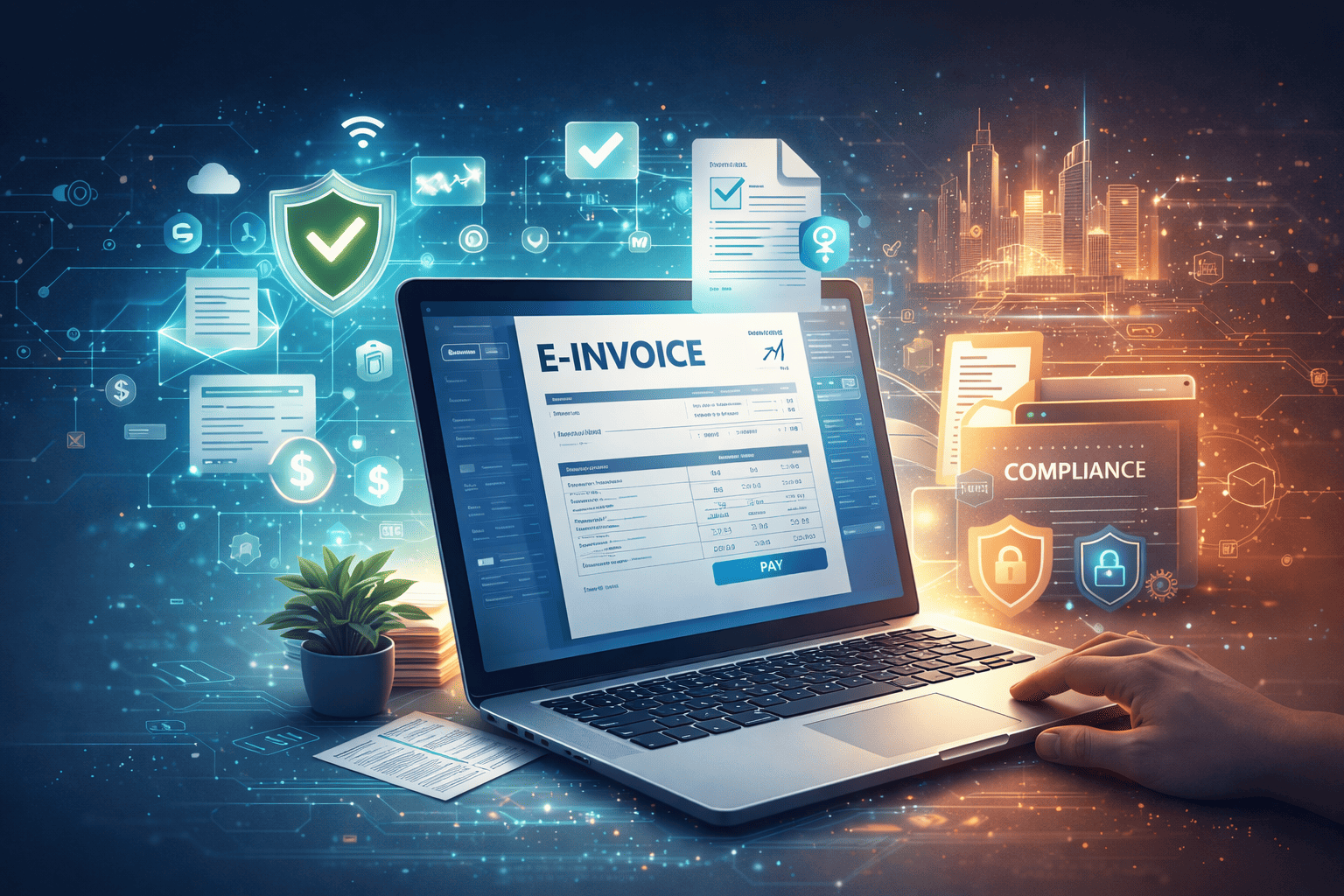
The Digital Shift: Why Automated Invoicing is Essential
In the rapidly evolving landscape of corporate finance, modern accounting systems demand speed, accuracy, and scalability. The traditional, manual process of creating, sending, tracking, and reconciling invoices is not only resource-intensive but highly susceptible to human error. Automated Invoicing represents the critical technological pivot, moving businesses from labor-heavy administrative tasks to strategic financial management. By leveraging cloud technology and AI, these systems streamline the entire accounts receivable (AR) and accounts payable (AP) cycle, making them indispensable for organizations seeking true digital transformation.
Boosting Operational Efficiency and Reducing Cost
One of the most immediate and tangible benefits of adopting Automated Invoicing is the massive increase in operational efficiency. Time spent manually entering data, chasing approvals, or correcting input mistakes is drastically minimized. Automated systems can generate invoices based on preset contracts or delivery confirmation, instantly format them, and dispatch them to the correct recipient. This efficiency directly translates to cost savings, reducing the need for extensive administrative staff dedicated solely to transactional tasks. Furthermore, the standardization inherent in automation ensures that every invoice adheres to internal formatting rules and necessary compliance requirements, eliminating costly rework.
Accelerating Cash Flow and Ensuring Compliance
For any business, optimizing cash flow is paramount. Automated Invoicing systems accelerate payment cycles by ensuring invoices are sent promptly and accurately. Features like instant delivery confirmation, automated payment reminders, and integrated payment gateways significantly shorten the ‘days sales outstanding’ (DSO). When invoices are digitized and tracked in real-time, financial teams gain unparalleled visibility into outstanding balances and pending liabilities. Beyond cash flow, these systems create a perfect, immutable audit trail. Every action—from invoice generation to payment receipt—is logged, making end-of-year auditing and regulatory compliance significantly smoother and less stressful.
Seamless Integration with Modern ERP Systems
The true power of Automated Invoicing is realized through its seamless integration capabilities. Modern solutions are designed to connect effortlessly with existing Enterprise Resource Planning (ERP), Customer Relationship Management (CRM), and General Ledger (GL) software. This integration eliminates data silos, ensuring that sales orders, inventory levels, and financial records are consistently synchronized. When an invoice is processed, the corresponding journal entries are automatically posted, providing real-time financial reporting crucial for timely decision-making. As global commerce continues to accelerate, the implementation of robust, integrated Automated Invoicing systems is no longer a luxury, but a core necessity for maintaining competitive advantage and ensuring sound financial health in the modern accounting environment.