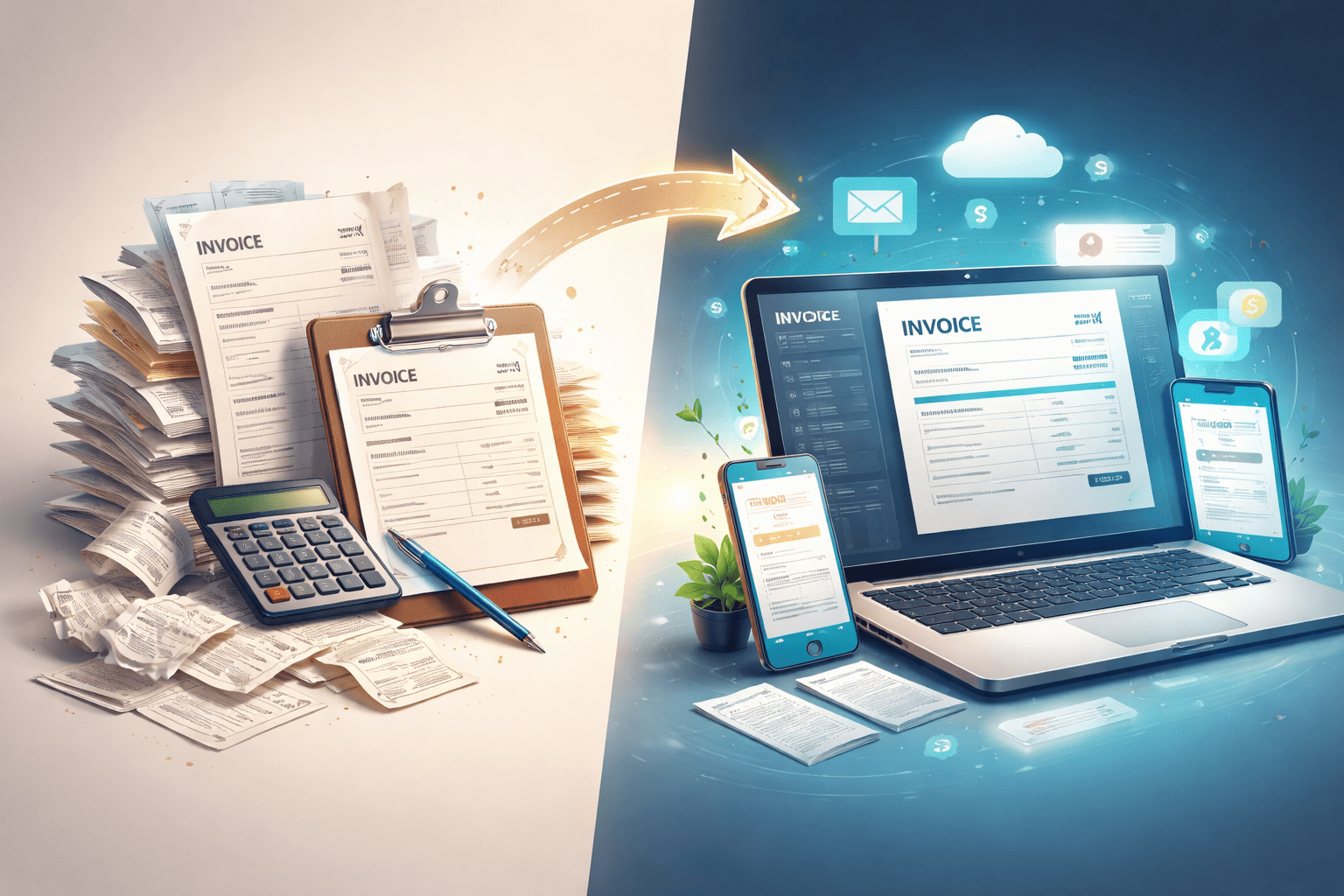
The Pinching Point of Manual Expense Processing
For decades, expense reporting has been a necessary but painful administrative burden. Employees spent hours collecting paper receipts, while accounting teams devoted countless days manually entering data, cross-referencing information, and chasing down missing documentation. This manual workflow isn’t just slow; it is a breeding ground for human error, leading to financial inaccuracies and compliance risks. The solution? A digital revolution powered by Receipt Automation.
The Core Benefit: Drastic Error Reduction via OCR
Receipt automation leverages sophisticated technologies, primarily Optical Character Recognition (OCR) coupled with Artificial Intelligence (AI), to fundamentally change how financial data is captured. When a photo of a receipt is taken or an email receipt is processed, the system instantly reads and verifies critical details: vendor name, date, amount, currency, and tax information. Unlike a human who might transpose numbers or skip an entry, automation processes data with near-perfect accuracy.
By digitizing and validating data at the source, automation platforms enforce company expense policies in real-time. If an expense exceeds a limit or lacks required details, the system flags it immediately. This proactive error prevention is infinitely more efficient than reactive auditing conducted weeks or months later.
Eliminating Tedious Manual Work and Boosting Efficiency
The secondary, yet equally vital, advantage of comprehensive receipt automation is the massive reduction in manual labor. Automation eliminates the need for bookkeepers to manually input thousands of transactions annually. Instead, accounting professionals can shift their focus from data entry to high-value strategic tasks like analysis, forecasting, and exception management.
For the employee, the process is streamlined to mere seconds—a quick snap of a photo and the expense report begins building itself. This liberation from tedious paperwork significantly improves employee satisfaction and reduces the notorious delays associated with month-end closing procedures. Faster processing means quicker reimbursement, boosting overall morale and ensuring cash flow clarity.
Strategic Impact: Real-Time Data and Compliance
Beyond efficiency, receipt automation provides businesses with invaluable strategic benefits. Traditional manual systems often suffer from significant data lag; financial visibility only appears weeks after transactions occur. Automation provides real-time visibility into spending, allowing managers to monitor budgets immediately and identify unusual spending patterns before they become major problems.
Furthermore, maintaining regulatory compliance (such as IRS standards or regional tax laws) becomes simplified. Automated systems securely store digital copies of every receipt and transaction trail, ensuring an audit-ready state at all times. This robust digital record dramatically reduces the risk associated with lost paper receipts or incomplete documentation.
The Future is Automated
The implementation of advanced receipt automation technology is no longer a luxury reserved for large enterprises; it is becoming a necessity for businesses of all sizes seeking operational excellence. By embracing automation, companies can cut costs, mitigate financial risk, and finally put an end to the era of manual, error-prone expense management, paving the way for truly agile financial operations.