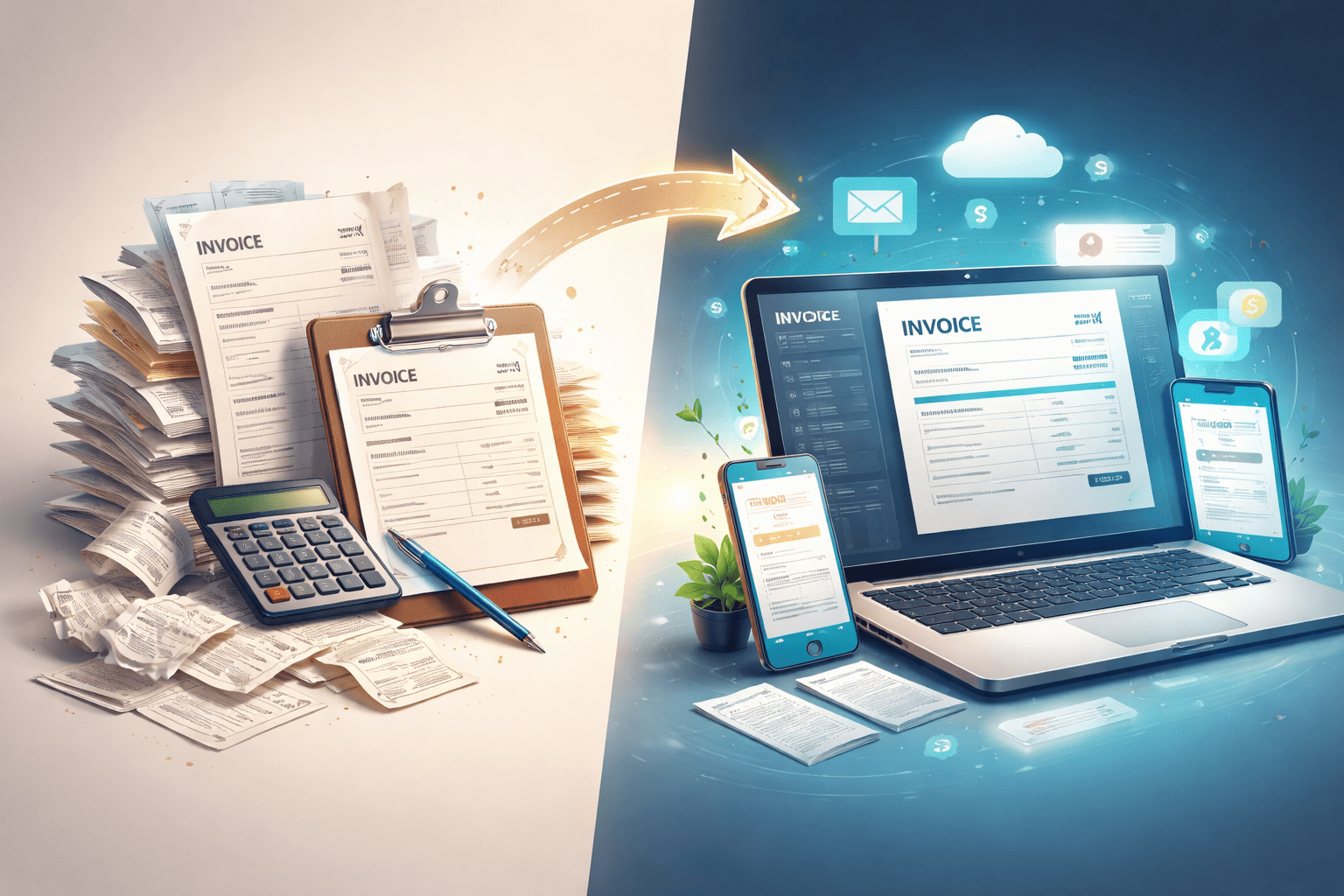
The Challenge of Traditional Invoicing
In today’s fast-paced business environment, manual or disparate invoicing processes are significant bottlenecks. They introduce risks like data entry errors, delayed payments, and excessive administrative overhead. Businesses relying on disconnected systems often struggle with accurate reporting and timely cash flow forecasting. The solution lies in adopting integrated invoicing systems, a core component of modern financial technology.
The Efficiency Revolution: Streamlining the Billing Cycle
Integrated invoicing systems automate the entire procure-to-pay and order-to-cash cycles. Instead of manually transferring sales data into a separate accounting system, integration allows sales orders or service delivery confirmations to automatically trigger the invoice creation process. This level of automation drastically reduces the time spent on administrative tasks, freeing up finance teams to focus on strategic analysis rather than data entry. Furthermore, automated scheduling and sending capabilities ensure that customers receive bills promptly, accelerating the payment cycle.
Eliminating Errors and Ensuring Data Accuracy
One of the most valuable benefits of integration is the immediate improvement in data integrity. When invoicing is integrated with Customer Relationship Management (CRM) or Enterprise Resource Planning (ERP) systems, customer details, pricing rules, tax calculations, and delivery statuses are pulled directly from a single source of truth. This eliminates the common mistakes associated with manual transcription, such as incorrect pricing or mismatched customer addresses, minimizing disputes and improving overall customer satisfaction. Accurate invoicing is also crucial for regulatory compliance and simplified auditing processes.
Boosting Cash Flow Visibility and Control
For any growing business, predictable cash flow is paramount. Integrated systems offer real-time visibility into the status of every invoice, from issuance to collection. Finance managers can instantly track outstanding balances, identify potential delays, and generate accurate Accounts Receivable (AR) aging reports. Many modern integrated systems also include automated reminders and reconciliation tools, dramatically reducing Days Sales Outstanding (DSO) and providing better foresight for financial planning and resource allocation.
Seamless Integration with Core Business Software
The true power of these systems lies in their ability to communicate seamlessly with existing technology infrastructure. Integration typically involves connecting the invoicing module directly to:
- **ERP Systems:** Linking billing directly to inventory management, procurement, and general ledger.
- **CRM Platforms:** Ensuring that billing reflects the exact terms agreed upon during the sales process.
- **Payment Gateways:** Facilitating immediate electronic payments and automated receipt generation.
This cohesive ecosystem ensures that financial data flows smoothly across departments, offering a holistic view of business performance that is unattainable with siloed applications. Businesses looking to achieve peak operational performance must view integrated invoicing not as an optional upgrade, but as an essential foundation for sustained growth and financial health.